How to Avoid Snake Encounters on Trails: Ultimate Outdoor Safety Guide
How to Avoid Snake Encounters on Trails: Ultimate Outdoor Safety Guide
Venturing into the wilderness for hiking, hunting, or farming provides incredible experiences, but navigating snake country requires vigilance and preparation. Knowing how to avoid snake encounters on trails is fundamental for anyone spending time outdoors. Whether you are exploring dense brush, rocky outcrops, or open fields, understanding reptile behavior and applying proactive safety protocols significantly reduces risks.
Understanding Snake Habitats and Trail Behavior
Snakes are cold-blooded creatures that rely on external temperatures to regulate body heat. Early in the morning, primary venomous snake species often seek out exposed rocks, gravel paths, and sunny trail edges to absorb radiant heat. As temperatures rise during mid-day, they move toward shaded brush, dense foliage, and fallen timber.
Recognizing high-risk terrain features is your first line of defense. Pay close attention around:
- Fallen logs and brush piles where rodents nest
- Rock outcrops and crevices along incline trails
- Tall overgrown grasses encroaching on footpaths
- Shaded damp creek beds during extreme summer heat
Proactive Techniques for Avoiding Trail Encounters
Prevention starts with simple tactical habits on the trail. Most snake bites occur when outdoor enthusiasts accidentally step on or near a concealed reptile.
Gear and Apparel Strategies for Lower Leg Defense
While situational awareness reduces encounter frequency, reliable lower leg defense provides vital protection against surprising strikes. Venomous snakes typically strike at lower elevations on the body, with most strikes occurring below max biting height inches.
Footwear and leg coverage form an indispensable barrier:
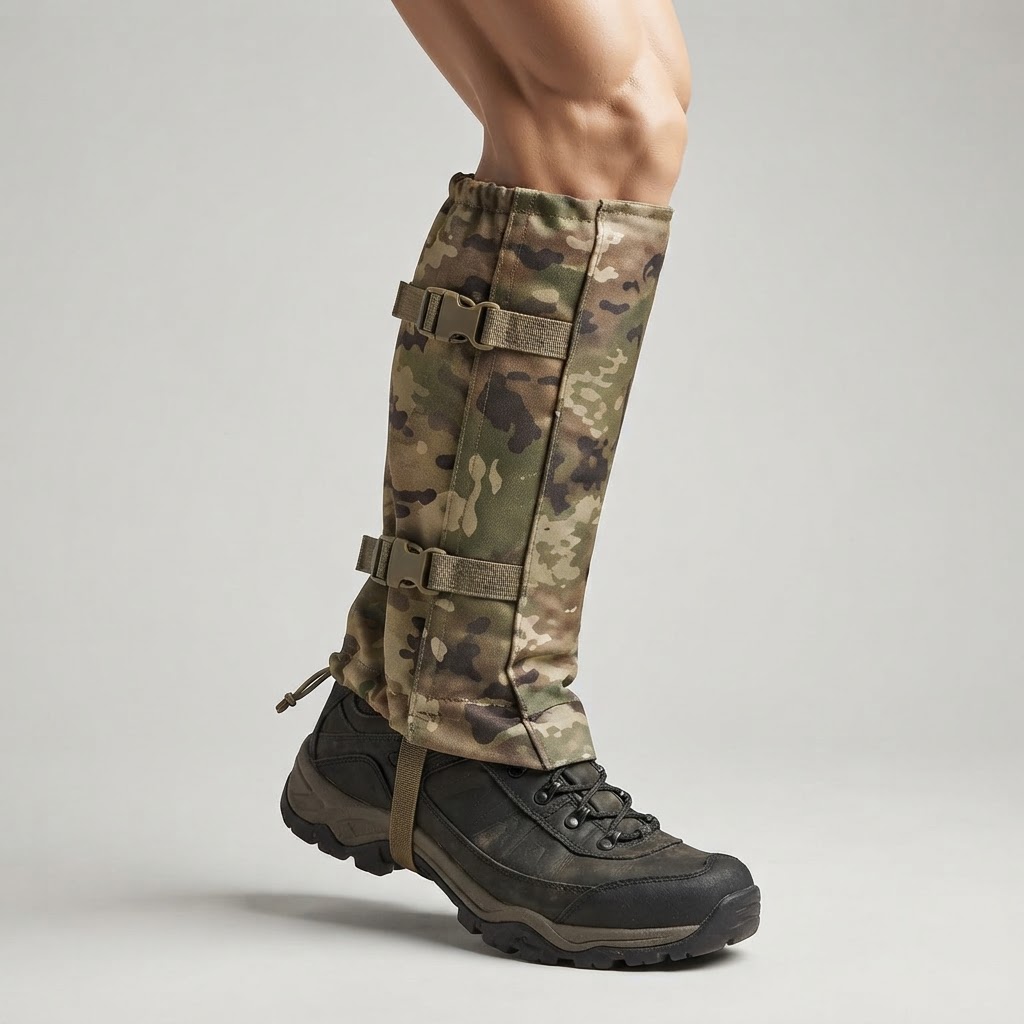
- Heavy Trail Boots: Standard hiking footwear weighing average boot weight lbs provides solid foot protection.
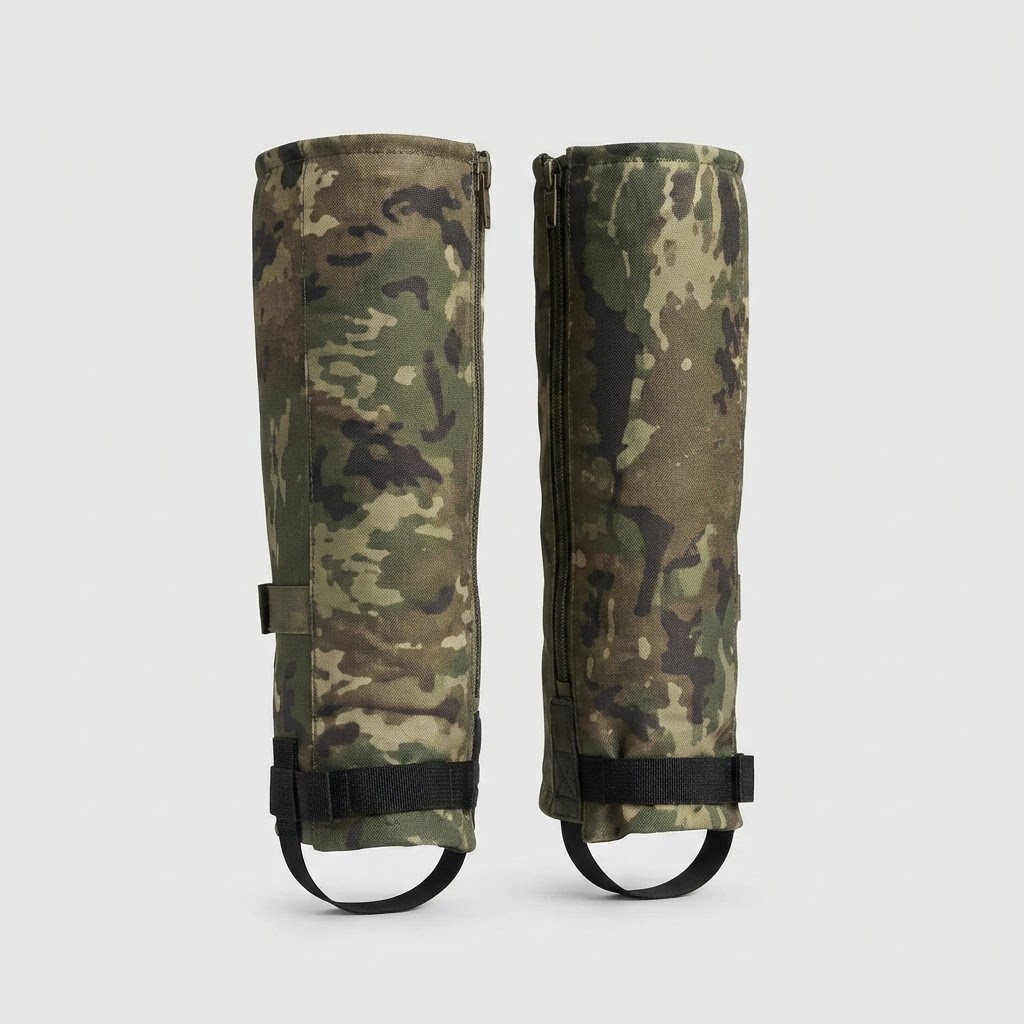
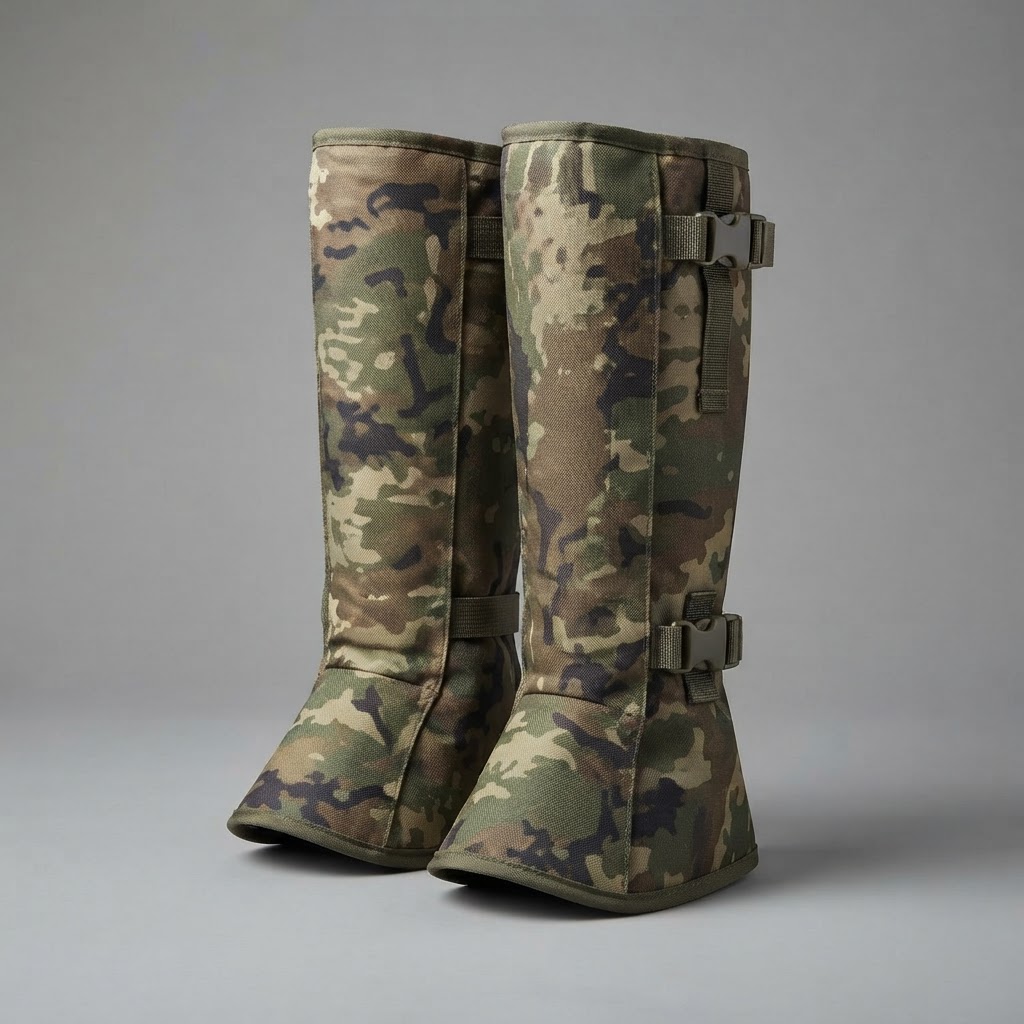
- Snake Gaiters: Wearing dedicated lower leg gaiters like Trail Guard Gaiters offers reliable defense. Constructed from abrasion-resistant material, these gaiters feature a snake-resistant design that shields vulnerable calf and lower leg areas during wilderness exploration.
- Durable Lower Garments: Pair protective gaiters with heavy pants to reduce direct contact during outdoor activities like hunting, farming, and trail clearing.
Emergency Protocols During an Encounter
Even cautious hikers occasionally startle concealed wildlife. If you encounter a snake directly on your path:
- Freeze and Assess: Do not make sudden movements. Carefully identify where the snake is positioned.
- Back Away Slowly: Step backward away from the striking radius without turning your back completely until clear.
- Do Not Agitate: Never attempt to move, push, or poke the snake with sticks or trekking poles.
- Emergency Preparation: Keep emergency dispatch number pre-programmed on your cellular or satellite device before heading into remote locations.
Related in this cluster
- Understanding Trail Snake Behavior: Habitat and Timing Tips for Hikers
- How to Choose Snake Protection Gear for Outdoor Adventures
- Trail Guard Gaiters vs Traditional Boots: Lower Leg Snake Defense Compared
- Why Trail Guard Gaiters Are Essential for Hunting and Farming Safety
- Frequently Asked Questions About Trail Snake Safety and Gaiters
- Top Lower Leg Protection Features for Backcountry Exploration