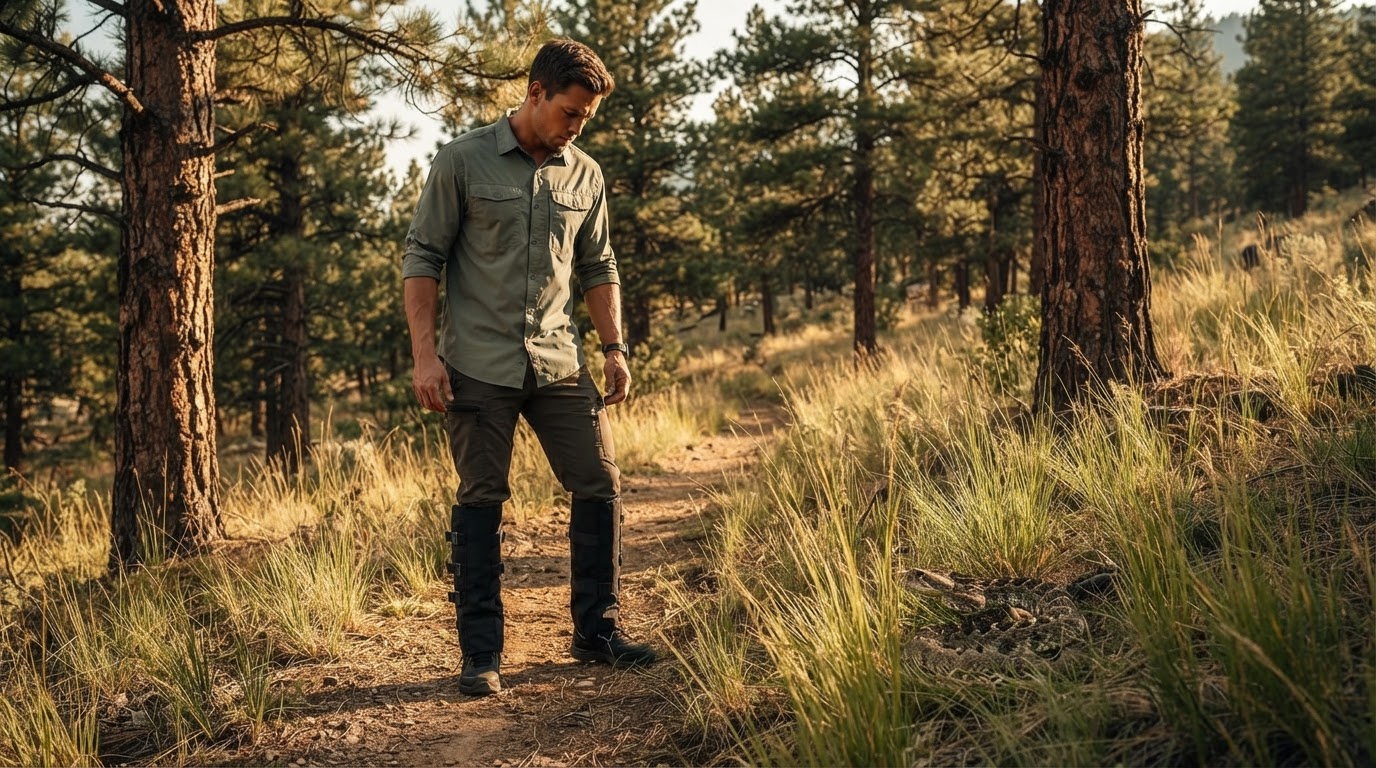
What to Wear Hiking in Snake Country: Complete Protective Gear Guide
Understanding Snake Habitats and Bite Risks on the Trail
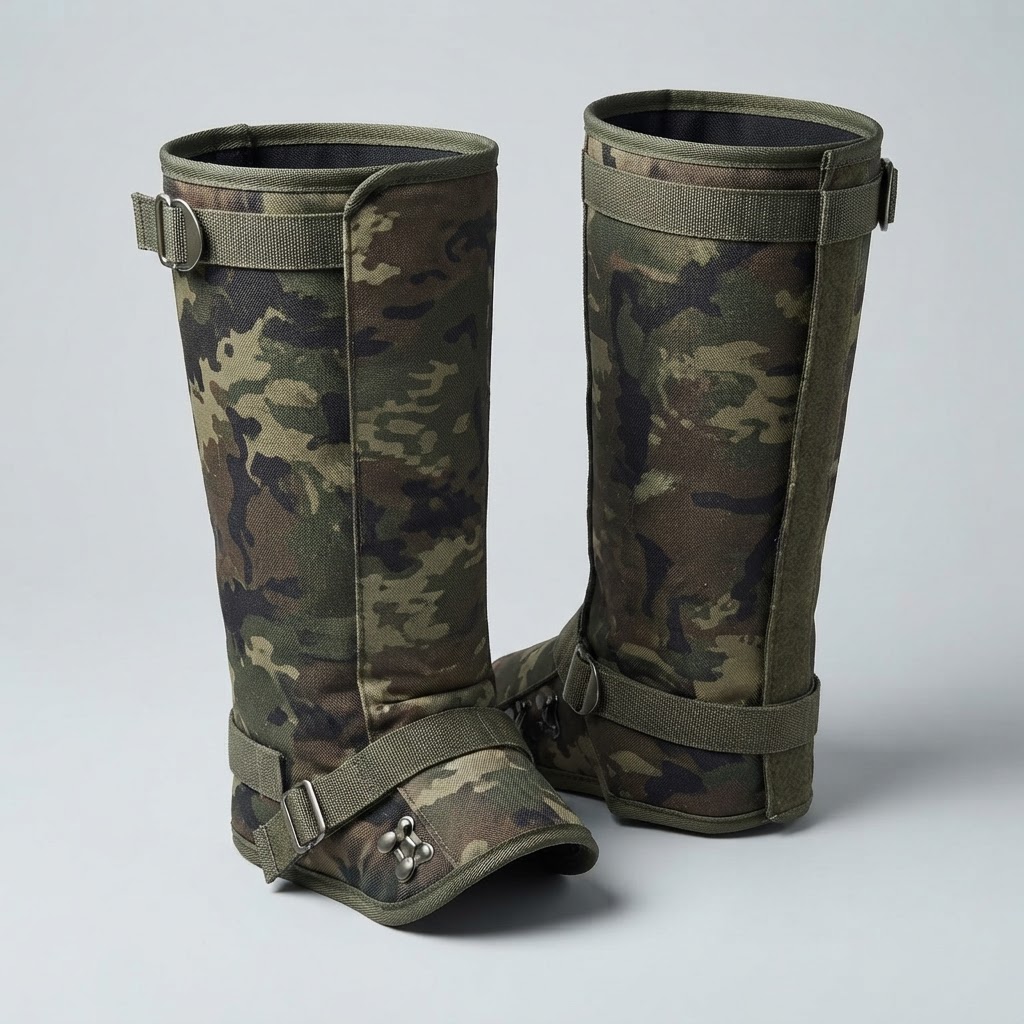
Hiking through overgrown brush, rocky outcrops, or dense timber requires careful preparation. When traveling through areas inhabited by species like estimated [primary venomous snake species], understanding lower-leg vulnerability is vital. Most defensive strikes occur below the knee, typically when a hiker accidentally steps too close to a concealed snake.
Maintaining a proper distance is your first line of defense. Hikers should aim to maintain at least estimated [safe distance feet] feet from any observed snake. However, because snakes rely on camouflage, physical personal protective equipment (PPE) remains necessary for comprehensive safety.
Essential Footwear and Boot Specifications
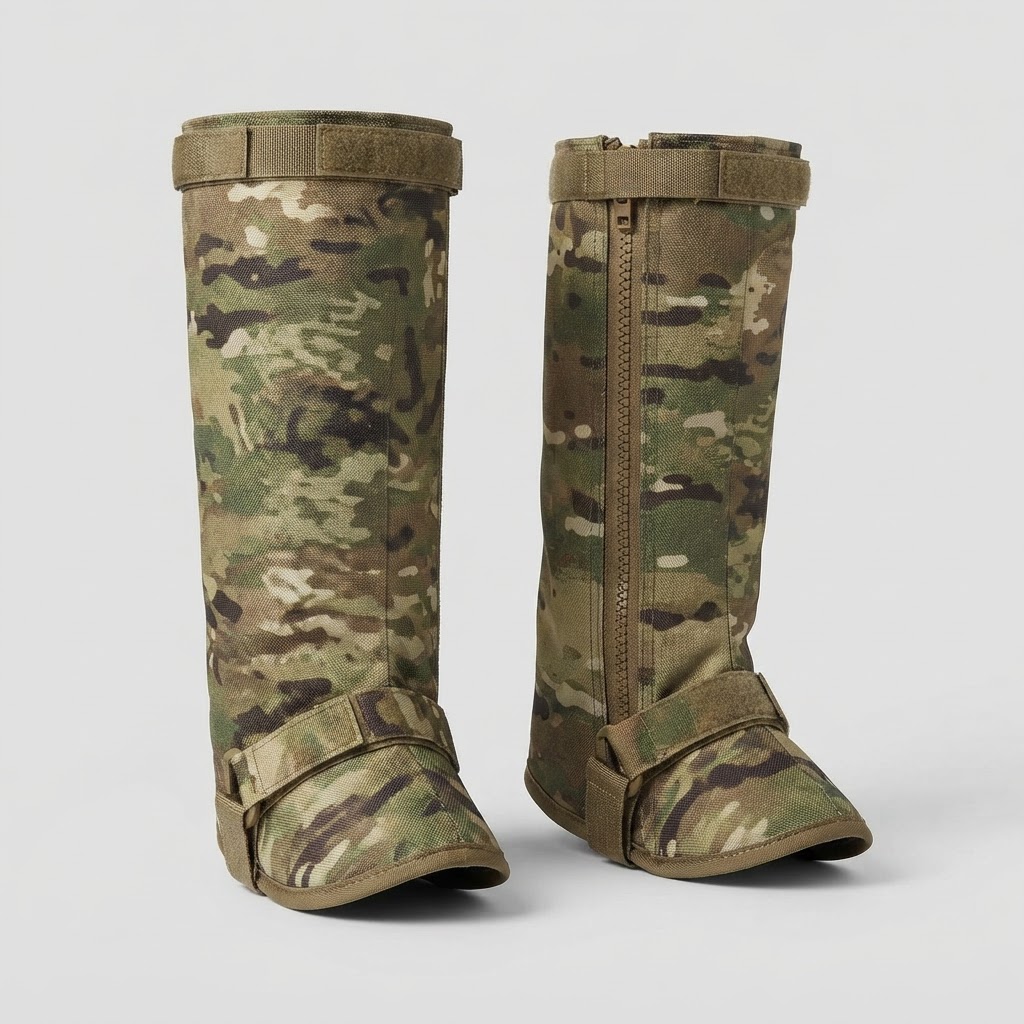
Proper footwear forms the foundation of lower-body safety in snake country. Standard lightweight mesh trail runners offer virtually no strike protection against sharp fangs. Durable hiking boots constructed from thick leather or reinforced synthetic uppers provide a much higher defense threshold.
Consider boot weight and structural height when selecting footwear. A typical sturdy hunting or hiking boot weighs between 2.5 - 3.5 lbs lbs, offering dense support and puncture resistance around the foot and ankle. However, boots alone leave the upper calf exposed.
Lower Leg Protection: Why Snake Gaiters Are Essential
Because strikes frequently reach above boot tops, supplemental lower-leg armor is critical. Most venomous strikes occur within estimated [max biting height inches] inches from the ground. This makes adjustable leg gaiters an indispensable piece of kit.
Gear like the Trail Guard Gaiters offers specialized protection. Constructed from abrasion-resistant, durable fabric, these gaiters wrap from the top of the boot to below the knee. Their unisex, adjustable design ensures a snug fit, preventing gaps where fangs or debris could enter during hunting, farming, or backwoods exploration.
Pants and Clothing Layering for Snake Resistance
Beyond gaiters, your clothing layers contribute to overall bite mitigation:
- Loose-Fitting Pants: Wear heavy-duty canvas, denim, or tight-weave synthetic hiking pants. Loose fabric creates an air gap between the material and your skin, which can absorb fang force or divert a strike.
- Avoid Thin Tights or Shorts: Thin spandex leggings or bare legs offer zero barrier protection.
- Integration with Gaiters: Wear your pants tucked into or fitted under your gaiters. Trail Guard Gaiters fit securely over heavy trousers to form a continuous barrier against brush and bites.
Behavioral Safety Practices When Hiking
Gear is only effective when paired with situational awareness. Always watch where you place your hands and feet, especially when stepping over logs or navigating rocky ledges. Stick to well-maintained trails whenever possible, and keep an emergency contact, such as estimated [emergency dispatch number], accessible when cell service is available.
By pairing durable footwear and Trail Guard Gaiters with smart trail habits, you can confidently explore snake-prone wilderness areas while keeping your legs protected.
Related in this cluster
- How Snake Gaiters Protect Your Legs from Snakebites
- Snake Gaiters vs. Heavy Leather Boots for Snake Safety
- 5 Features to Look for in Trail Guard Gaiters for Hunting and Hiking
- Frequently Asked Questions About Hiking Safely in Snake Territory
- How to Fit and Adjust Snake Gaiters for Maximum Safety
- Lower Body Protection in Snake Habitat: Common Mistakes and Solutions