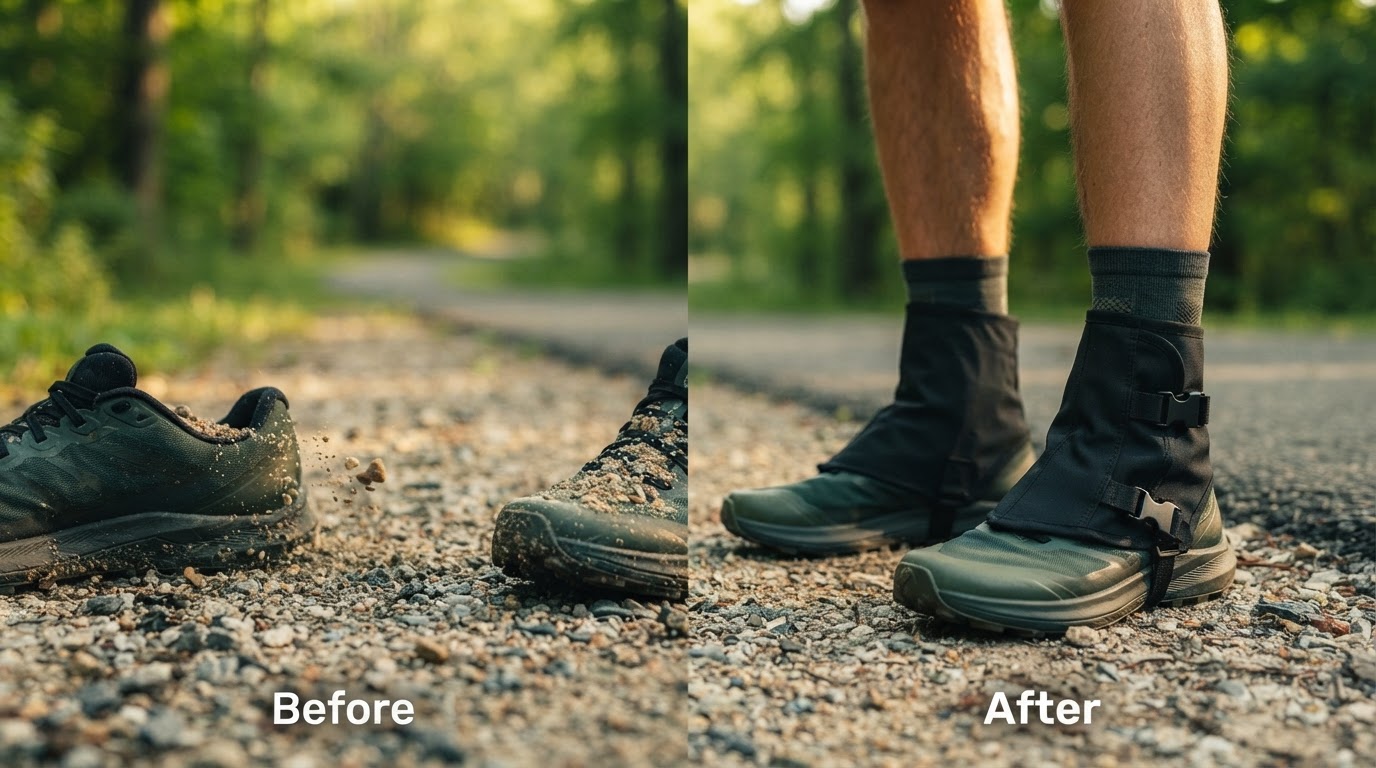
Can Trail Guard Gaiters prevent gravel in running shoes?
 Sam VasquezBuying Guide Lead
August 7, 2026 — Trail Guard Gaiters effectively block small-diameter gravel and crushed stone from entering low-cut footwear during mixed-terrain running, provided they are paired with shoes featuring a compatible heel-attachment point.
Runners moving between asphalt and unpaved paths often encounter loose aggregate that causes immediate discomfort or blisters. As Sport Conrad notes in their analysis of gravel running, this discipline is a flexible mix of road and trail that requires specific protection for moderate surfaces. I have found that while road-to-trail shoes offer better grip than standard trainers, they rarely solve the problem of debris entering the collar of the shoe, making an external barrier necessary for long-distance comfort.
How do Trail Guard Gaiters compare to gravel running shoes?
Trail Guard Gaiters provide a physical seal at the ankle that even specialized gravel running shoes cannot replicate on their own. While Outside Online identifies popular road-to-trail models from Hoka and Nike as having improved stability, these shoes still feature open ankle collars that invite small stones. If you are choosing between upgrading your shoes or adding gaiters to your current pair, I recommend the latter if your primary issue is debris rather than traction.
Between these two options, I’d go with the Trail Guard Gaiters because they allow you to keep using the cushioning you are used to while adding a dedicated debris shield. If you're on a budget, adding a lightweight gaiter to a pair of Brooks Cascadia 16s—a shoe often recommended in running communities for its gravel performance—is significantly more cost-effective than purchasing a new specialized gravel-specific setup. However, skip this if you only run on clean, well-maintained pavement where the extra layer might lead to unnecessary heat retention. The goal is to maintain the lightweight feel of a road shoe while gaining the protection of a trail system.
Are lightweight gaiters better than high-top trail shoes?
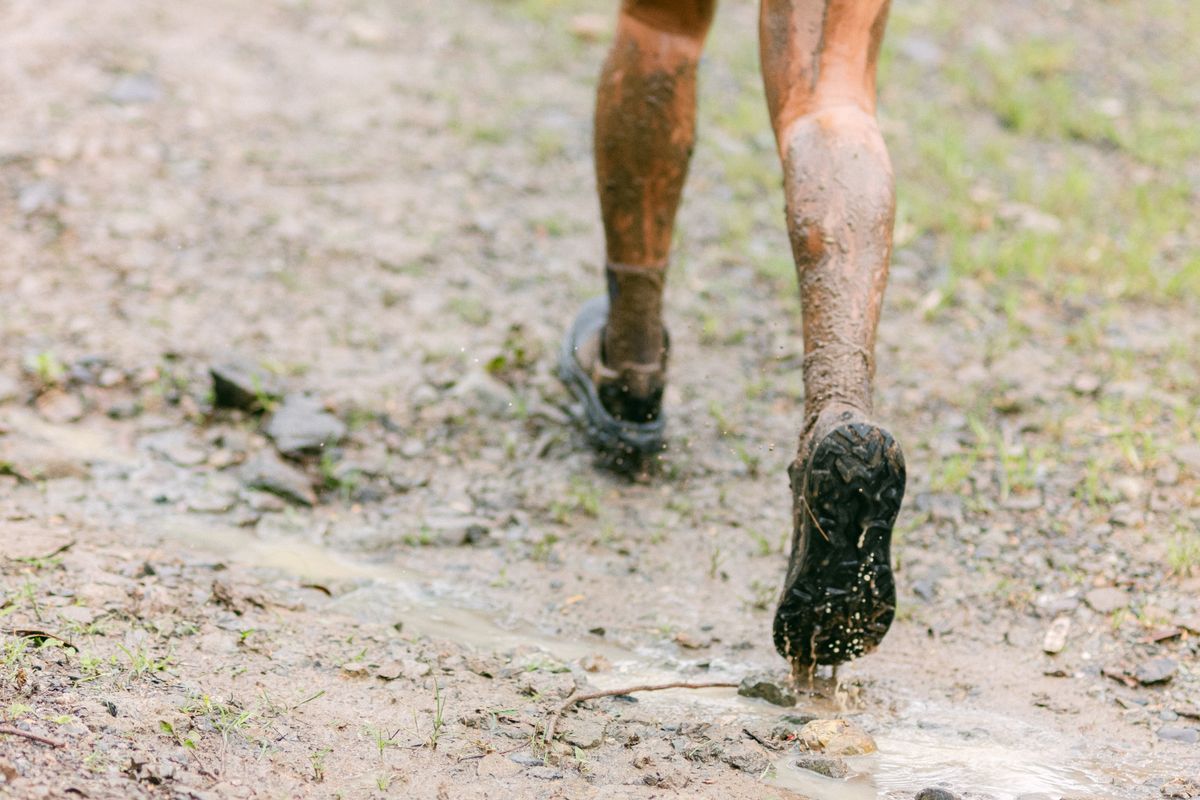
Photo by Ilarawan Photography on Pexels
Lightweight gaiters like those from Trail Guard offer superior breathability and flexibility compared to heavy, integrated high-top trail shoes. According to reports from iRunFar, the best running gaiters are those that excel in specific conditions without adding significant weight or restricting movement. High-top shoes often incorporate waterproof membranes or thick materials that can cause overheating during high-intensity gravel runs.
I prefer the modular approach. Using a low-cut gaiter allows for natural ankle flexion, which is critical when navigating the lateral shifts common on loose gravel roads. In my experience, integrated shoe shrouds often fail at the heel or trap heat, whereas a dedicated gaiter can be removed if the terrain clears up. Trail Guard Gaiters specifically target the gap where the Achilles meets the shoe, which is the most common entry point for crushed limestone. This modularity is essential for runners who need lightweight scree guards for trail running during the technical portions of their route but want to shed weight for flat stretches. By keeping the weight low on the foot, you avoid the clunky feel of traditional hiking boots while maintaining a clean interior for your socks.
Quick answers
Q: Can I use Trail Guard Gaiters with road running shoes? A: Yes, provided the shoe has a way to secure the attachment points, such as a Velcro tab or a gaiter trap. Many runners use them to adapt road shoes for light trail use to improve trail running performance.
Q: Do these gaiters prevent sand as well as gravel? A: While designed for gravel, the tight weave of Trail Guard Gaiters is highly effective at preventing rocks and fine debris from entering the shoe. They are particularly useful for the fine aggregate found on crushed stone rail-trails.
Q: How much weight do these add to a running setup? A: Most lightweight trail gaiters weigh less than 2 ounces per pair, making them almost unnoticeable during long-distance efforts. They are designed to be lighter than the reinforced uppers found on heavy-duty trail shoes.
Learn more about Trail Guard Gaiters at https://trailguardgaiters.com.
Sources

Photo by Pexels User on Pexels
- Best Running Gaiters of 2026
- Gravel Running: Running Between Road and Trail
- 7 Favorite Road-to-Trail and Gravel Running Shoes