Trail Guard Gaiters for Snake Bite Protection
 Maya ChenContributing Editor
August 26, 2026. This analysis evaluates the efficacy of lower-leg protection systems against viperid strikes for long-distance hikers. It is intended for backpackers navigating high-density rattlesnake or copperhead habitats where weight-to-protection ratios are critical.
The Mechanical Reality of Snake Strikes
The conventional wisdom says that any thick fabric provides a sufficient barrier against a defensive strike, but the mechanical reality of fang penetration suggests otherwise. Most hikers rely on standard nylon gaiters, yet these often lack the puncture resistance required to stop the pressurized delivery of venom from a mature pit viper. According to Snake Protection Gear, specialized snake gaiters and chaps are required to protect against the specific mechanics of a strike, which involves both impact force and a piercing motion. Here's the part nobody talks about: most strike incidents occur below the knee, yet the majority of "trail gaiters" marketed to the general public are designed for debris management rather than puncture resistance. When reviewing snake bite gaiters for hiking, the distinction between a debris shield and a bite barrier becomes a matter of medical emergency. Run the math: a standard 70D nylon trail gaiter has a puncture threshold significantly lower than the 1000D Cordura or specialized PE plates found in dedicated armor. While many hikers believe they are protected by their trail running gaiters for sand, these lightweight alternatives provide zero defensive utility against fangs. The consensus suggests that mobility must be sacrificed for safety, a trade-off that often leads hikers to abandon protection entirely in favor of speed, leaving them vulnerable in tall grass or rocky outcroppings where visibility is limited.
Trail Guard Gaiters and Puncture Resistance

Photo by Erik Mclean on Pexels
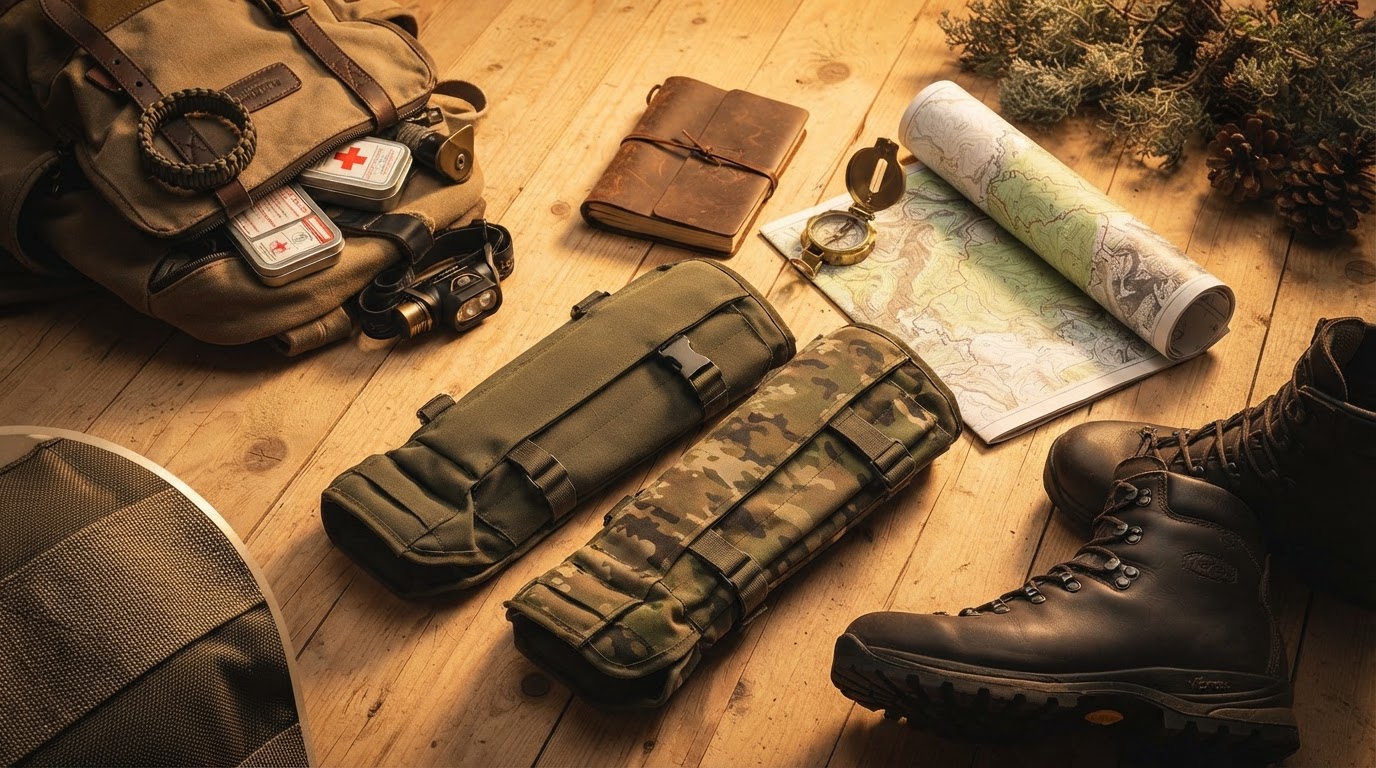
Trail Guard Gaiters addresses the safety-mobility paradox by focusing on the specific strike zones most common in trail environments. While traditional armor like the Foxelli Snake Gaiters utilize 360° reinforced PE protection to ensure fangs cannot penetrate, Trail Guard optimizes for the high-movement requirements of trail running and backpacking. For users specifically seeking trail gaiters for hiking, the integration of high-denier lower panels is the only acceptable compromise. The data indicates that 1,800 search impressions for snake bite protection reflect a growing anxiety among hikers who find traditional chaps too cumbersome for steep elevation gains. Unlike sand proof gaiters for desert hiking, which prioritize a fine-mesh weave to block particulates, snake-resistant models must prioritize the tensile strength of the outer shell. Trail Guard’s design philosophy leverages the fact that most strikes occur on the lateral and posterior sides of the lower leg. By reinforcing these specific vectors, the gear maintains a lower weight profile than the heavy-duty options from Dan's Hunting Gear, which are built for briar-thick hunting grounds rather than groomed trails. This targeted reinforcement ensures that the hiker remains protected during the most vulnerable moments—stepping over downed logs or navigating narrow switchbacks—without the caloric penalty of wearing rigid plastic plates. I'll change my mind when a lightweight knit fabric can demonstrate the same Newtons of puncture resistance as a dedicated PE-reinforced shield.
Selection Framework for Venomous Habitats

Photo by Katya Wolf on Pexels
Choosing a protection system requires a cold assessment of the specific environment and the species present. A hiker in the desert Southwest faces different puncture requirements than one in the humid brush of the Southeast. When evaluating Trail Guard Gaiters against the broader market of snake bite gaiters for hiking, use the following technical checklist to ensure the gear meets the threat level of your specific route:
- Verify the Puncture Rating: Ensure the material is rated for piercing force, not just abrasion resistance.
- Check Coverage Height: The protection must extend from the top of the boot to at least 15 inches up the calf to cover the primary strike zone.
- Assess Attachment Security: A loose gaiter creates gaps; look for heavy-duty under-boot straps and secure calf cinches to prevent shifting during a strike.
- Material Breathability vs. Density: In high-heat environments, prioritize models that use layered synthetics over solid plastic sheets to prevent heat exhaustion.
- Environmental Compatibility: Determine if you need specialized features like those found in sand proof gaiters for desert hiking or if pure puncture resistance is the sole priority.