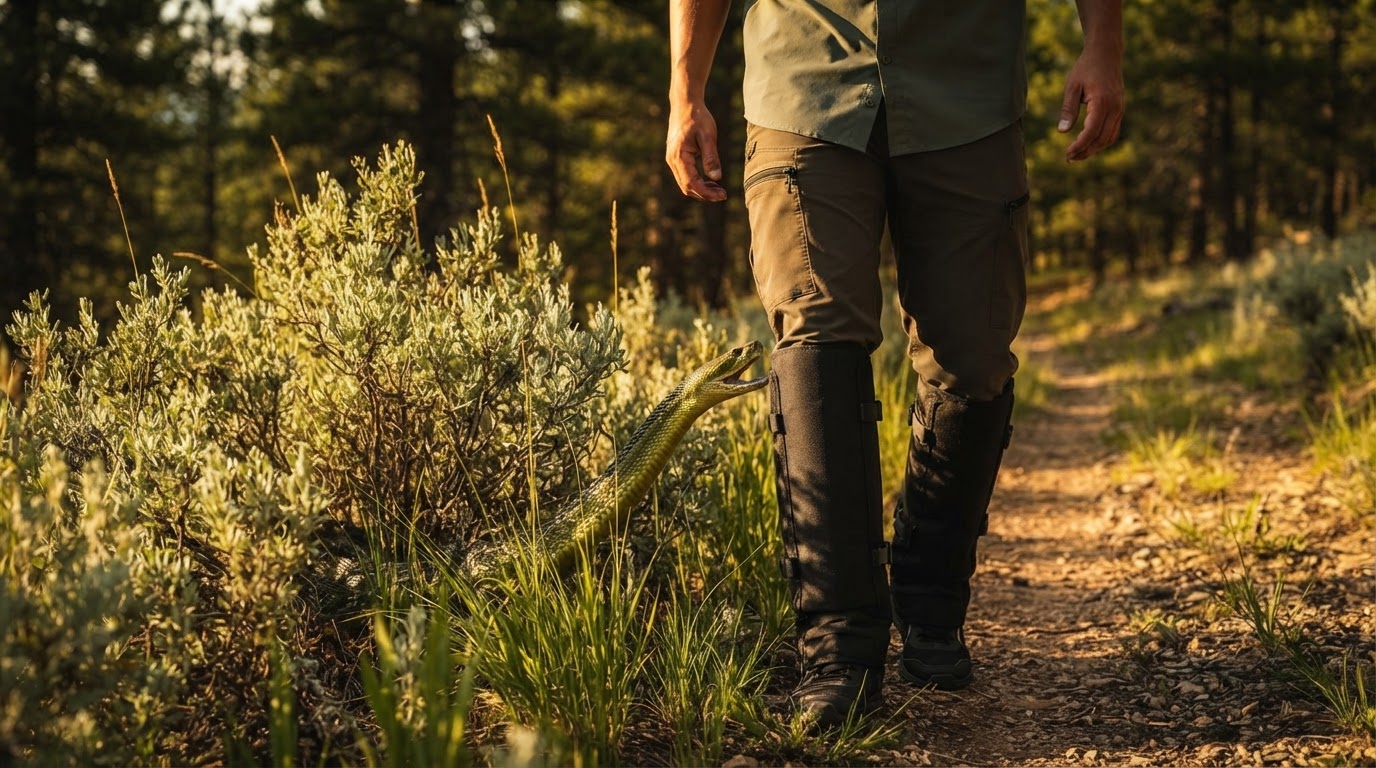
Understanding Snake Habitats: How to Avoid Snake Strikes on Trails
Avoiding snake strikes begins with recognizing the environments where snakes live, rest, and hunt. By understanding micro-habitats on your trail, you can significantly lower the risk of unwanted encounters. For full details on lower-leg protection gear, review the main guide.
Common Terrain Where Snakes Hide
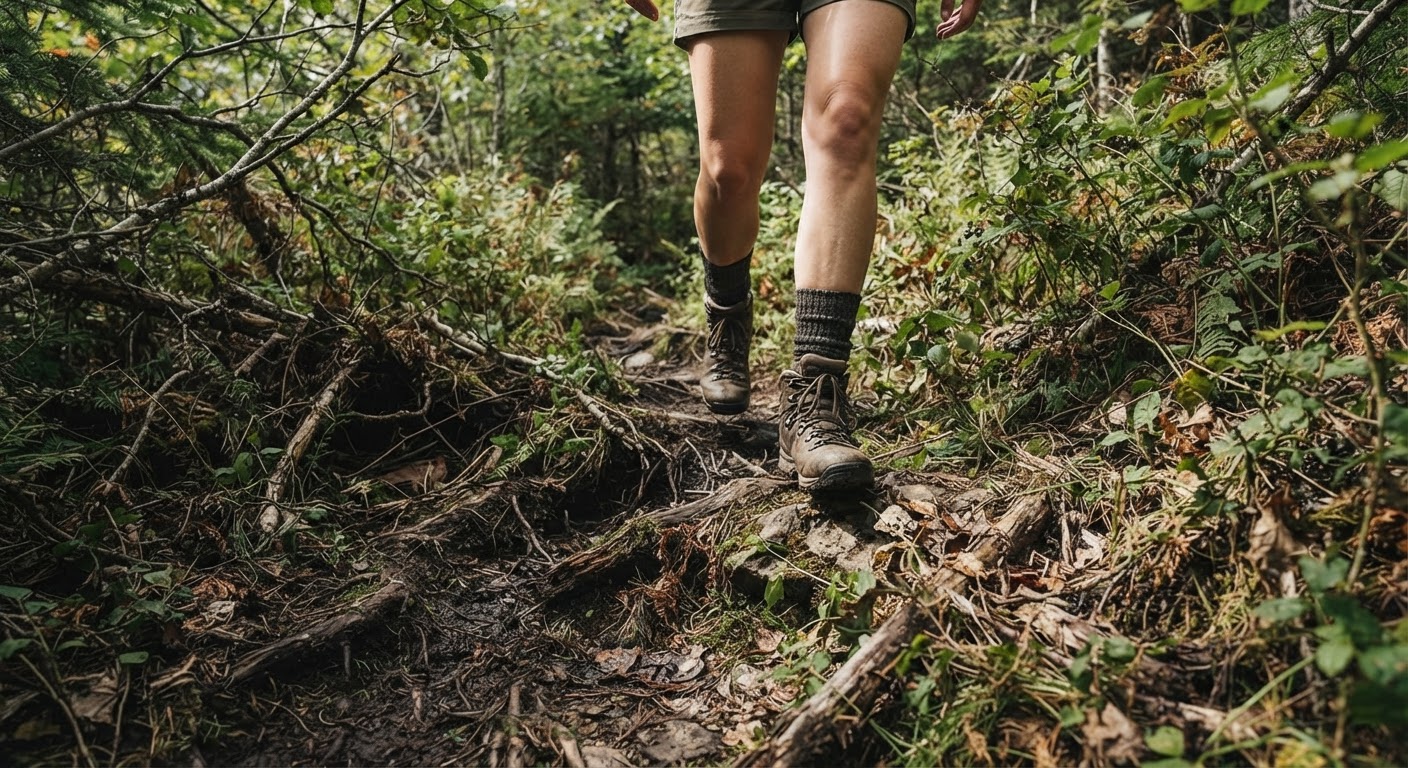
Snakes are ambush predators that rely on natural camouflage to surprise prey. Key locations to watch include:
- Fallen Logs and Rock Piles: Perfect shelter spots for snakes cooling off or hiding from predators.
- Overgrown Trail Edges: Dense brush and high grass obscure visibility, making accidental steps perilous.
- Sunny Outcroppings: Open rock faces absorb solar heat, attracting snakes during cooler morning hours.
Seasonal and Weather Patterns Affecting Snake Activity
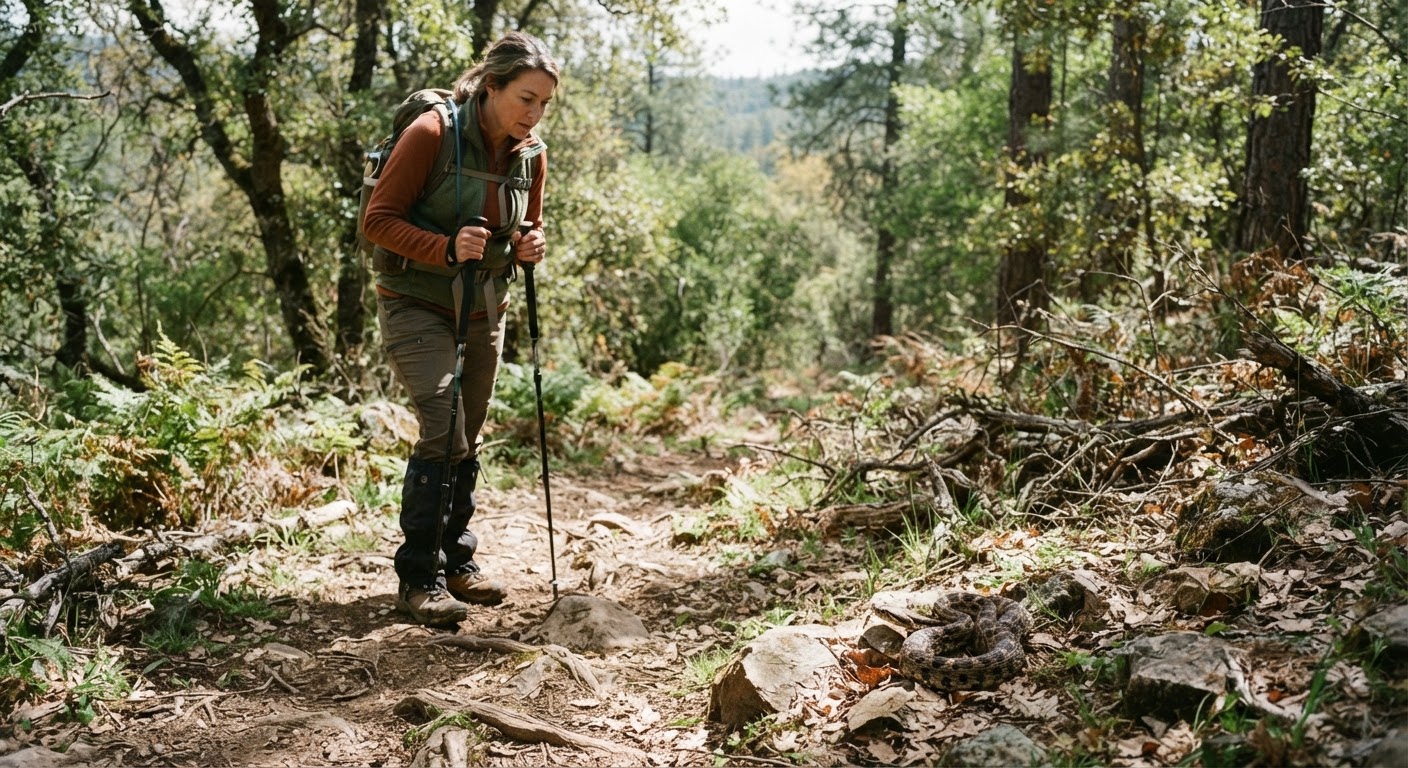
Snake behavior changes with environmental temperatures. During spring and early summer, snakes actively search for food and mates during daylight hours. In hot mid-summer conditions, many species shift to nocturnal activity, seeking shade under thick ground cover during peak sun hours.
Knowing when snakes are most active allows hikers to plan outings during safer times of day, such as early morning or late afternoon when ambient temperatures are moderate.
Active Vigilance and Gear Precautions
When navigating known snake terrain, step onto logs rather than stepping straight over them, as a snake may be resting on the blind side. Wearing abrasion-resistant protective leg gear ensures an added safety layer if you brush against hidden cover.
Read the full guide: How to Prevent Snake Bites While Hiking: The Complete Outdoor Safety Guide