How to Prevent Snake Bites While Hiking: The Complete Outdoor Safety Guide
Hiking through the wilderness offers incredible adventure, but traversing areas populated by venomous species like estimated primary venomous snake species requires heightened awareness and proper precautions. Knowing how to prevent snake bites while hiking is essential for every outdoor enthusiast, hunter, and farmer.
Understanding Snake Habits on the Trail
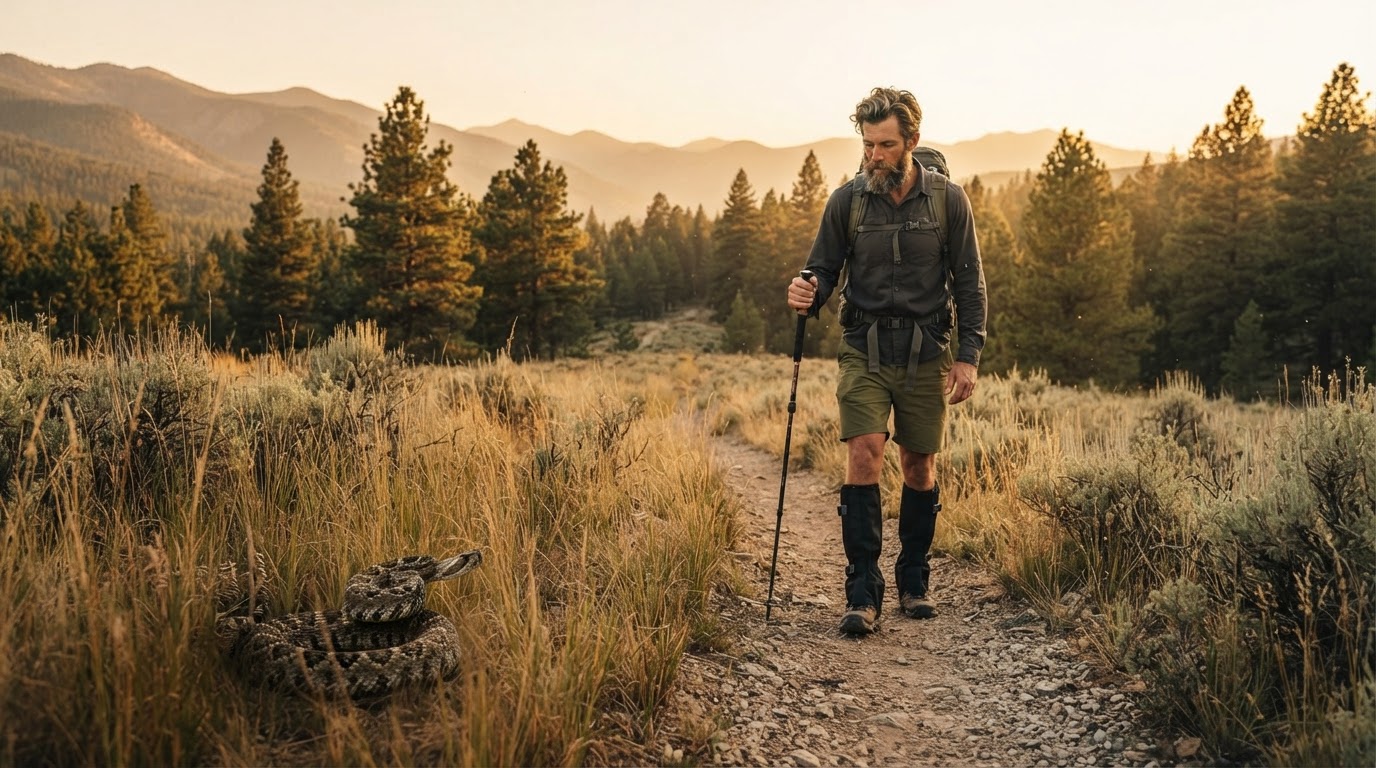
Snakes are ectothermic creatures, meaning they rely on their environment to regulate body temperature. During cooler mornings, you may find them sunning themselves on exposed rocks, open dirt trails, or logs. As temperatures rise during peak heat, they often seek refuge under dense brush, fallen timber, or tall grass. Staying on well-maintained paths significantly reduces your chance of stepping into a hidden snake's habitat.
Essential Wear: Protecting Your Lower Legs

Photo by Gursharndeep Singh on Pexels
Statistically, the majority of snake bites to hikers occur below the knee, around the lower leg and ankle area, usually within estimated max biting height inches inches of the ground. Proper lower leg protection is your primary line of defense against accidental strikes.
While heavy leather boots provide baseline protection for your feet, lower legs remain exposed unless shielded by specialized gear. Incorporating snake-resistant protective wear ensures that even if you accidentally step near a camouflaged snake, its fangs are impeded by tough fabric layers.
For versatile safety, protective leg gaiters offer a lightweight and adaptable barrier. The Trail Guard Gaiters features a dedicated snake-resistant design paired with a unisex and adjustable structure, making them comfortable for all users whether engaged in hunting, exploration, hiking, or farming.
Mindful Hiking Habits to Avoid Encounters
Selecting Snake-Resistant Gear for Outdoor Safety
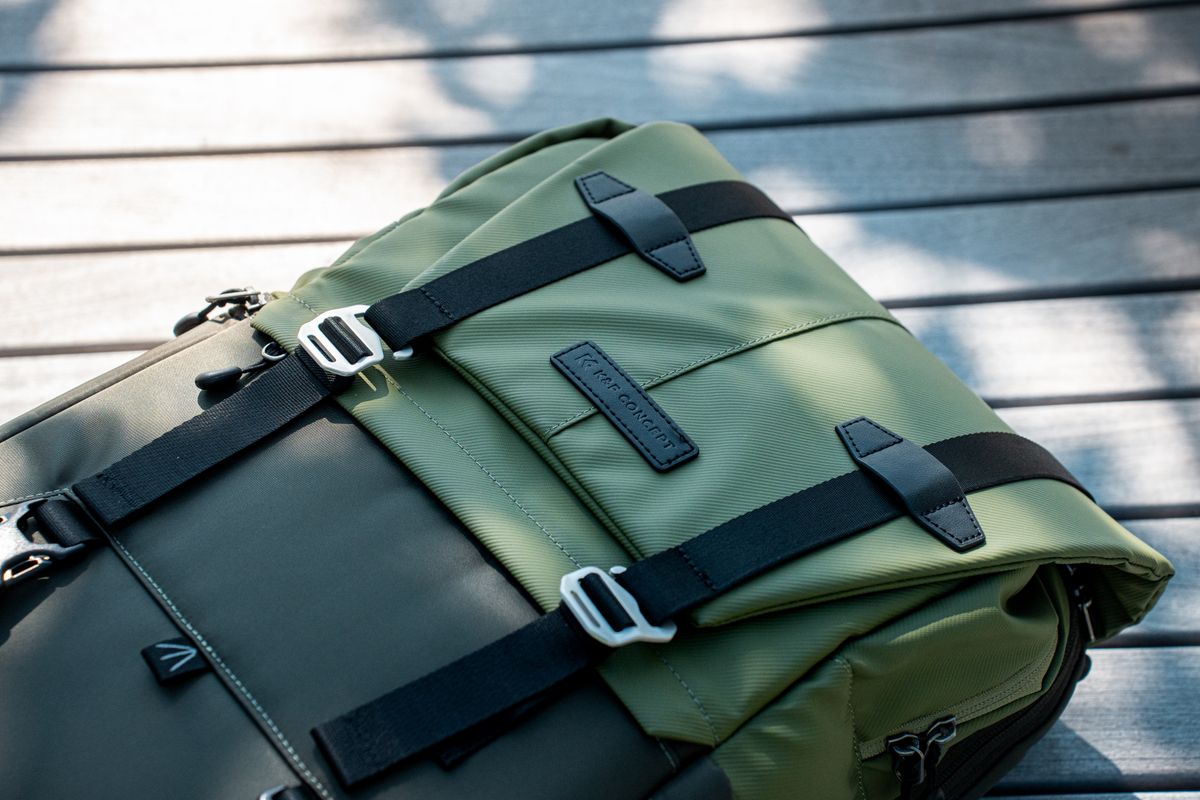
Photo by Clément Proust on Pexels
When choosing protective apparel for backcountry safety, material durability is critical. Apparel made from high-density, abrasion-resistant fabric can withstand tough environmental conditions without wearing down over time.
The Trail Guard Gaiters is constructed from robust, abrasion-resistant material engineered to endure rough terrain while keeping you comfortable. Because these gaiters are adjustable, they can easily fit over hiking pants or heavy trousers, ensuring a snug, reliable fit across various outdoor applications.
Emergency Protocols for Snake Sightings and Bites
Despite all precautions, encounters can happen. If a strike occurs:
- Remain calm and keep the affected limb immobilized below heart level.
- Do NOT cut the wound, attempt to suck out venom, or apply a tourniquet.
- Transport the victim immediately to the nearest medical facility capable of administering antivenom.
Related in this cluster
- How to Treat a Snake Bite in the Wilderness: Step-by-Step Emergency First Aid
- Snake Gaiters vs. Snake Boots: Which Gear Offers Better Protection?
- Trail Guard Gaiters Review: Lightweight Protection in Snake Country
- Frequently Asked Questions About Hiking in Snake Country
- Understanding Snake Habitats: How to Avoid Snake Strikes on Trails
- 5 Essential Gear Items for Farming and Hunting in Snake Country