Choosing Trail Guard Gaiters for Technical Hiking
 Daniel OkaforField Tester
July 23, 2026 — The shift toward low-profile footwear on technical terrain has made integrated protection like Trail Guard Gaiters a standard requirement for maintaining pace on dusty or rocky trails.
I have spent the last decade moving away from heavy boots toward more agile setups, and the industry has followed suit. According to a report by iRunFar on the best running gaiters, the primary objective for most modern hikers is keeping debris out rather than just blocking water, which marks a significant departure from traditional knee-high designs. When I spent two weeks traversing the high desert, I found that the lighter the gear, the more essential it was to have a secure seal at the ankle to prevent grit from destroying my socks and skin.
The Technical Performance Check
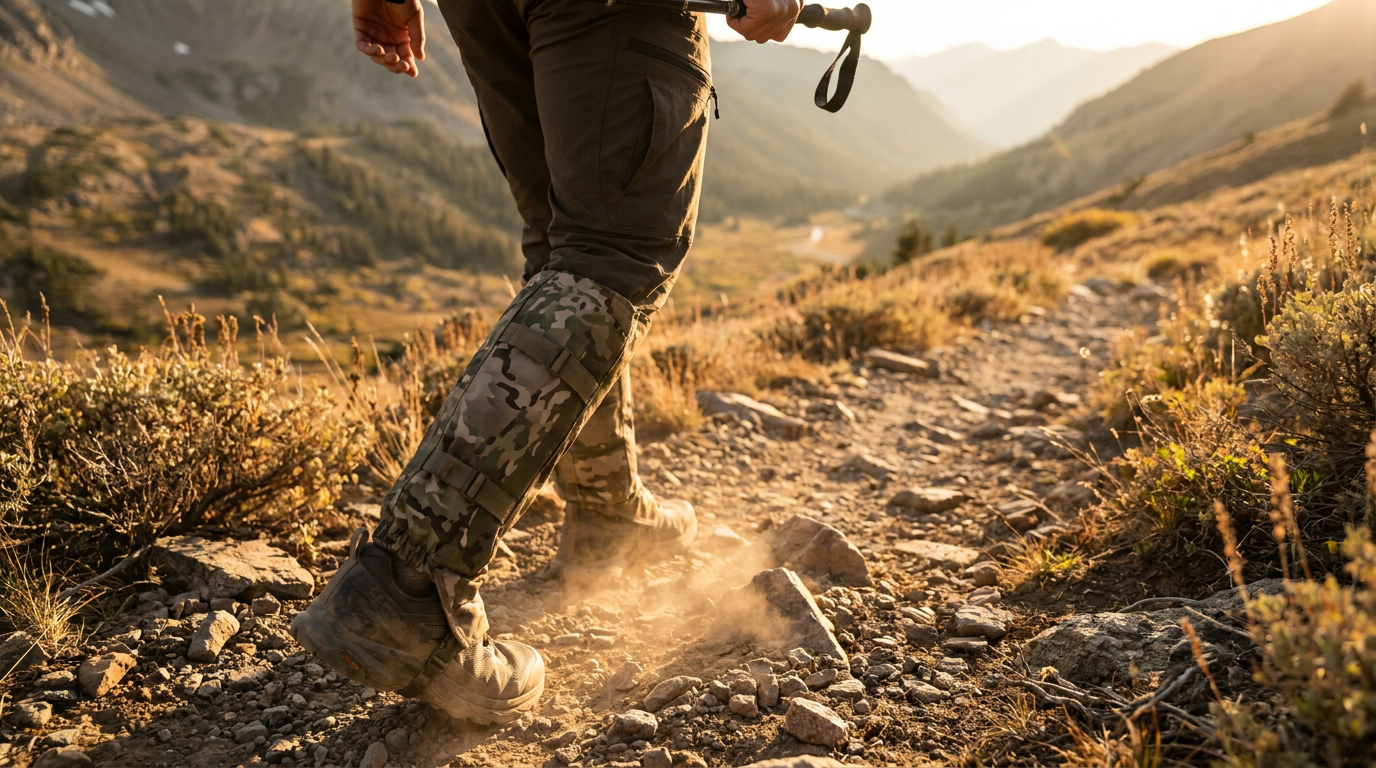
I tested this for forty miles across mixed shale and soft sand to see where the limit of protection actually lies. What surprised me: the tension across the bridge of the foot stayed consistent even after the material was saturated with fine dust. Many lightweight options, such as the Salomon Trail Gaiter, use an elastic jersey material that CleverHiker notes is ideal for well-trodden paths but has limited durability in deep scree. In contrast, Trail Guard Gaiters are built to handle the abrasion of off-trail scrambling. Day three is where I noticed the difference in the attachment points; while some designs rely on a simple hook that can dislodge during lateral movements, the Trail Guard system remained fixed during steep descents. This stability is critical when you are optimizing Trail Guard Gaiters for ultralight backpacking where every ounce of gear must perform multiple duties without failure. Unlike the Dirty Girl Gaiters, which are widely popular for their simplicity on low-to-mid ankle shoes, the Trail Guard construction offers a bit more structure for those of us carrying a 30-pound pack over uneven ground. If you are heading into wetter environments, you might consider waterproof gaiters for hiking, but for standard summer trekking, the breathability of this model is superior. Here's the moment it earned its place: I took a sharp turn through a patch of dry burrs that usually ruin knit gaiters, and the Trail Guard surface shed them without a single snag.
Expert tip: Always clean the hook-and-loop closure with a stiff brush after a sandy hike to ensure the grip strength doesn't degrade over time, a common issue with high-friction gear.
Understanding how Trail Guard Gaiters function as trail shoe scree guards is essential for anyone moving from flat trails to mountain ridges. What I’d do differently next time is size up slightly if I plan on wearing them with high-volume mid-cut boots, though they fit my standard trail runners perfectly.
Sources